 Reviews



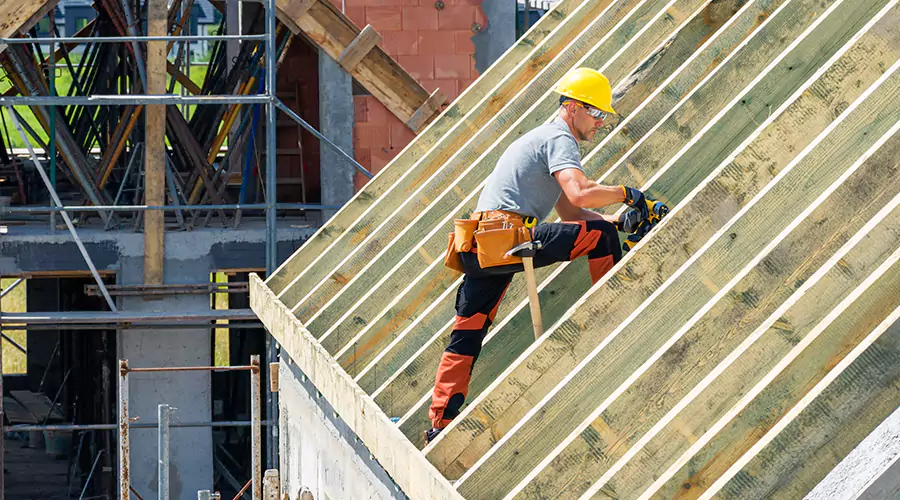
Roof decking is one of the most important parts of your roofing system, but it is also one of the easiest parts to overlook. It sits underneath the shingles and underlayment, so homeowners usually do not see it unless the roof is being repaired or replaced. When roof decking becomes soft, rotted, warped, or damaged, the entire roof can lose strength and protection.
Knowing how to tell if roof decking needs replacement can help you avoid repeated leaks, unsafe roof conditions, and early roof failure. A roof may look fine from the outside, but weak decking underneath can still create serious problems. If your home has had roof leaks, storm damage, poor ventilation, or an aging roof, the decking should be inspected carefully.
Quick Answer: When Does Roof Decking Need Replacement?
Roof decking usually needs replacement when it is soft, rotten, water-damaged, sagging, broken, or no longer able to hold roofing nails securely. Damaged decking should not be covered with new shingles because it can weaken the new roof and lead to future leaks.
Roof decking may need replacement if you notice:
- Sagging areas on the roof
- Soft or spongy spots
- Repeated leaks in the same area
- Water stains in the attic
- Mold or mildew smells
- Dark or rotted wood
- Loose shingles or nails backing out
- Visible daylight through roof boards
- Damaged decking found during roof tear-off
A professional roof inspection is the best way to confirm whether the decking needs repair or replacement.
Why Damaged Roof Decking Is a Serious Problem?
Roof decking gives the roofing system a solid base. Shingles, underlayment, flashing, roof vents, and other materials all depend on strong decking. If the decking is weak, the roof covering cannot stay properly secured.
Damaged decking can cause nails to loosen, shingles to lift, leaks to return, and moisture to spread into the attic. Over time, this can damage insulation, drywall, ceilings, and wood framing. In severe cases, weak decking can create unsafe areas for anyone walking on the roof.
Replacing damaged roof decking during roof repair or replacement helps protect the home and gives the new roofing materials a stable foundation.
1. Look for Sagging Areas on the Roof
A sagging roofline is one of the clearest signs that roof decking may be damaged. From the ground, stand back from your home and look at the roof shape. The roofline should look straight and even. If you see dips, waves, or low spots, the decking or roof framing may be weakened.
Sagging can happen when decking absorbs moisture and loses strength. It can also happen when the roof structure has been carrying too much weight or has long-term water damage.
Do not ignore sagging roof areas. They can point to a deeper structural issue that needs professional attention.
2. Check the Attic for Water Stains
The attic often shows roof decking problems before the outside of the roof does. If it is safe to enter your attic, use a flashlight and look at the underside of the roof deck.
Warning signs inside the attic include:
- Brown or black water stains
- Wet insulation
- Dark wood spots
- Mold growth
- Musty odors
- Dripping water after rain
- Rusted roofing nails
- Soft wood around vents or valleys
Water stains do not always mean all decking must be replaced, but they do show that moisture has reached areas it should not reach. If the wood is soft, rotted, or stained deeply, replacement may be needed.
3. Watch for Repeated Roof Leaks
A one-time roof leak may come from damaged flashing, missing shingles, or a worn pipe boot. However, repeated leaks in the same area may point to damaged roof decking underneath.
When decking stays wet for too long, it weakens and may no longer support the roof system properly. Even if the top layer is patched, the leak can return if the damaged decking is not removed.
Repeated leaks near chimneys, skylights, roof valleys, and vent pipes should be inspected closely because these areas are more likely to collect water.
4. Pay Attention to Soft or Spongy Roof Areas
Soft spots are a major warning sign. If a roofing contractor walks on the roof and notices areas that feel spongy or weak, the decking may be rotted or delaminated.
Homeowners should not climb on the roof to check this themselves. A damaged roof can be slippery or unstable. Let a professional inspect the surface safely.
Soft decking usually means the wood has lost strength. In many cases, those sections should be replaced before new roofing materials are installed.
5. Look for Shingles That Keep Lifting or Coming Loose
Loose shingles are not always a shingle problem. Sometimes they point to weak decking underneath. Roofing nails need solid wood to hold properly. If the decking is damaged, nails may back out, shingles may lift, and wind can remove roofing materials more easily.
Signs that decking may not be holding nails properly include:
- Shingles lifting repeatedly
- Nails popping through shingles
- Missing shingles after moderate wind
- Uneven shingle surfaces
- Repairs that do not last
If the same roof section keeps failing, the problem may be under the shingles.
6. Check for Mold or Musty Smells
Mold and musty odors can point to trapped moisture in the attic or roof decking. Moisture may come from roof leaks, poor ventilation, condensation, or damaged flashing.
When roof decking stays damp, it can support mold growth and wood rot. This can affect indoor air quality and damage the roofing structure over time.
A musty attic smell should not be ignored, especially if it appears after rain or during humid weather.
7. Review the Roof During Replacement Tear-Off
The best time to inspect roof decking is during a roof replacement. Once old shingles and underlayment are removed, the decking is fully visible. This allows the roofer to check for rotten boards, soft areas, broken panels, gaps, and moisture damage.
If damaged decking is found during tear-off, it should be replaced before the new roof is installed. Installing new shingles over weak decking can shorten the life of the new roof.
Ask your roofer to show photos of any damaged decking before replacement. This helps you understand the issue and keeps the project transparent.
Repair vs Replacement: What Is Usually Needed?
Not every roof decking issue requires full replacement. Sometimes only a few damaged sheets or boards need to be removed and replaced. The decision depends on the size, location, and severity of the damage.
Partial decking replacement may be enough when:
- Damage is limited to one roof section
- Only a few boards are rotted
- A leak affected a small area
- The rest of the decking is solid
Larger replacement may be needed when:
- Moisture damage is widespread
- The roof has multiple soft spots
- The decking is old and weak across large sections
- The roof has major storm or impact damage
- Existing decking does not meet current requirements
A roofing contractor can inspect the roof and explain which areas need replacement.
Roof Decking Replacement Checklist
- Inspect the attic for stains and moisture
- Look for sagging roof areas from the ground
- Document repeated leaks
- Ask your roofer to inspect decking during tear-off
- Replace soft, rotten, or broken sections
- Check attic ventilation during roof replacement
- Take photos of damaged decking
- Avoid installing new shingles over weak decking
- Keep all repair records for future reference
Final Thoughts
Roof decking needs replacement when it is no longer strong enough to support the roofing system. Warning signs include sagging roof areas, attic water stains, repeated leaks, soft spots, loose shingles, mold smells, and visible rot during roof tear-off.
Strong decking is essential for a reliable roof. It helps roofing materials stay secure, protects the home from water damage, and supports long-term roof performance. If you suspect damaged decking, schedule a professional roof inspection before the problem spreads. Replacing damaged decking at the right time can help your roof last longer and protect your home more effectively.